


July Service Spotlight: Blower Door Testing
What Exactly is Blower Door Testing Anyway?
Blower Door Testing is required for all new residential homes by municipal building codes throughout the Midwest. It uses a powerful fan to measure the airtightness of a building or, in certain instances, the airflow between building zones. During the test, an experienced technician is able to locate where air leakage (cool drafts in the Winter, warm leaks in the Summer) is coming from. This allows home building professionals to take steps to seal the leaks before the interior walls of a new home or condominium are “closed-up” by a drywall crew. Taking such steps to address uncontrolled building air leakage before the building takes occupancy, leads to reduced energy consumption, lower utility bills, and improved comfort for homeowners and building occupants.
So, who can perform the test? Much like electricians and heating contractors, local building codes require the company or individual performing the test to be qualified to perform the work. Builders, contractors, tradesmen, or code officials must have taken training or hold designated certifications related to the use of building diagnostic equipment, including thermal imaging camera, the blower door, and duct pressurization equipment. For more information on the types of training and certifications listed, click HERE. 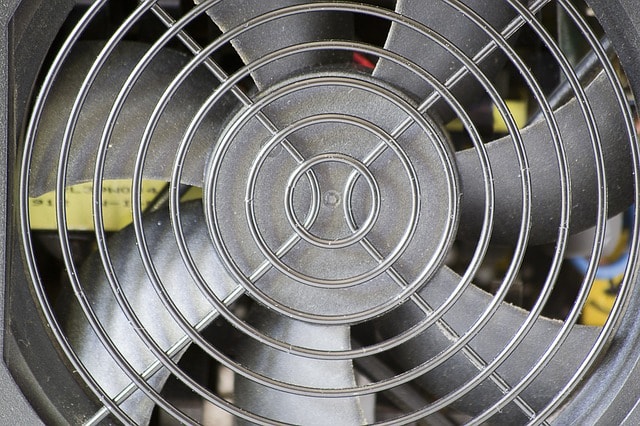
Reasons For Proper Building Tightness
Establishing building tightness is important for many reasons. Some reasons include: reducing energy consumption due to air leakage, avoiding moisture condensation issues, preventing uncomfortable drafts caused by cold, dry, or warm/humid air leaking in from the outdoors, and determining ventilation rates to building occupants. If left unsealed, these leaks can turn your home into an uncomfortable, energy-using, money-grubbing hog. In fact, according to the U.S. Department of Energy, building energy codes will produce a financial benefit to owners of over 15 billion dollars annually by 2030. This is achieved by saving over 14 quadrillion Btu of energy from 2009-2030, creating a yearly savings of 1.7 quadrillion Btu by 2030.
How The Blower Door Test Works
The blower door is actually an interchangeable assembly of components. It consists of a strong fan that fits into an adjustable frame covered by a flexible canvas cover. The fan is monitored by a small, digital pressure monitoring device called a manometer. The canvas is draped over the adjustable frame, with the frame adjusted to suit an exterior door to the home and secured in place. Small diameter plastic hoses are run to-and-from the fan and the outdoors to the manometer. As the fan runs, it removes (sucks) air out of the house depressurizing the home. The inside-outside pressure difference will cause air to force its way through any cracks, holes or joints in the exterior walls, windows, doors, floors, and ceilings of the building thermal envelope. By measuring the amount of air flowing through the fan at the specified test pressure, the manometer indicates the relative leakiness of the envelope. As the fan runs, a skilled home performance technician, often identified as a home-performance contractor, can go from room to room and discover any various locations and sources of air leaks. They can then be sealed.
You may wonder if it is possible to see or hear where the air is coming into the home? The answer is yes. The home performance contractor can use harmless, chemical smoke pens and even feathers to find the exact location of leaks. As the pen is moved along joints and at the edges of windows and doors, depressurized air is sucked-into the home where the smoke begins to experience turbulence, meaning a leakage point is nearby. Another tool that can be used is a special camera that is extremely sensitive to the temperature difference. In the hands of a trained professional, infrared, thermal imaging camera identifies surface temperatures as different colors, pointing out the likelihood of air leakage points. FLIR designs, develops, manufactures, markets, and distributes thermal imaging cameras that enhance perception and awareness of building efficiency within the trades.
Prepare Your Home
If you are in need of blower door testing, get your home ready. A few things you should do include:
- Show the technician any areas in your home that you feel are drafty or difficult to maintain in comfortable conditions.
- Be prepared for the technician to ask to see all areas of your home. Some examples include closets, attics, crawl spaces, etc.
- Exterior doors and windows will need to be closed, but not sealed beyond the intended weatherstripping. Open any interior doors, close fireplace dampers and doors, etc.
- Heating supply and return registers are to be fully opened.
- Heating and cooling systems along with any fuel-fired equipment need to be turned off.
After The Test
After the blower door test is completed, a permanent certificate must be posted on or near the electrical panel outlining the results of the test as required by code. It is also recommended for test verification that whoever performs the test should also submit the test results to your local code official/general contractor. This confirms the air leakage levels have been achieved.
If you are in need of a blower door test on your home or business, International Energy Conservation Consultants are here to help. Contact us today and we will be happy to answer any questions that you may have or provide you with more information on blower door testing or any of our other energy saving services.

