


Designing Your Home To Be Energy-Efficient
If you are considering building a new home or remolding an existing one, consider designing your home to be energy efficient. This investment will help your home to be more comfortable, as well as save energy and money. The best time to consider a renewable energy system is during the planning process. For best results, look into an energy-efficient home design that can provide your home with electricity, water heating, space heating and cooling. 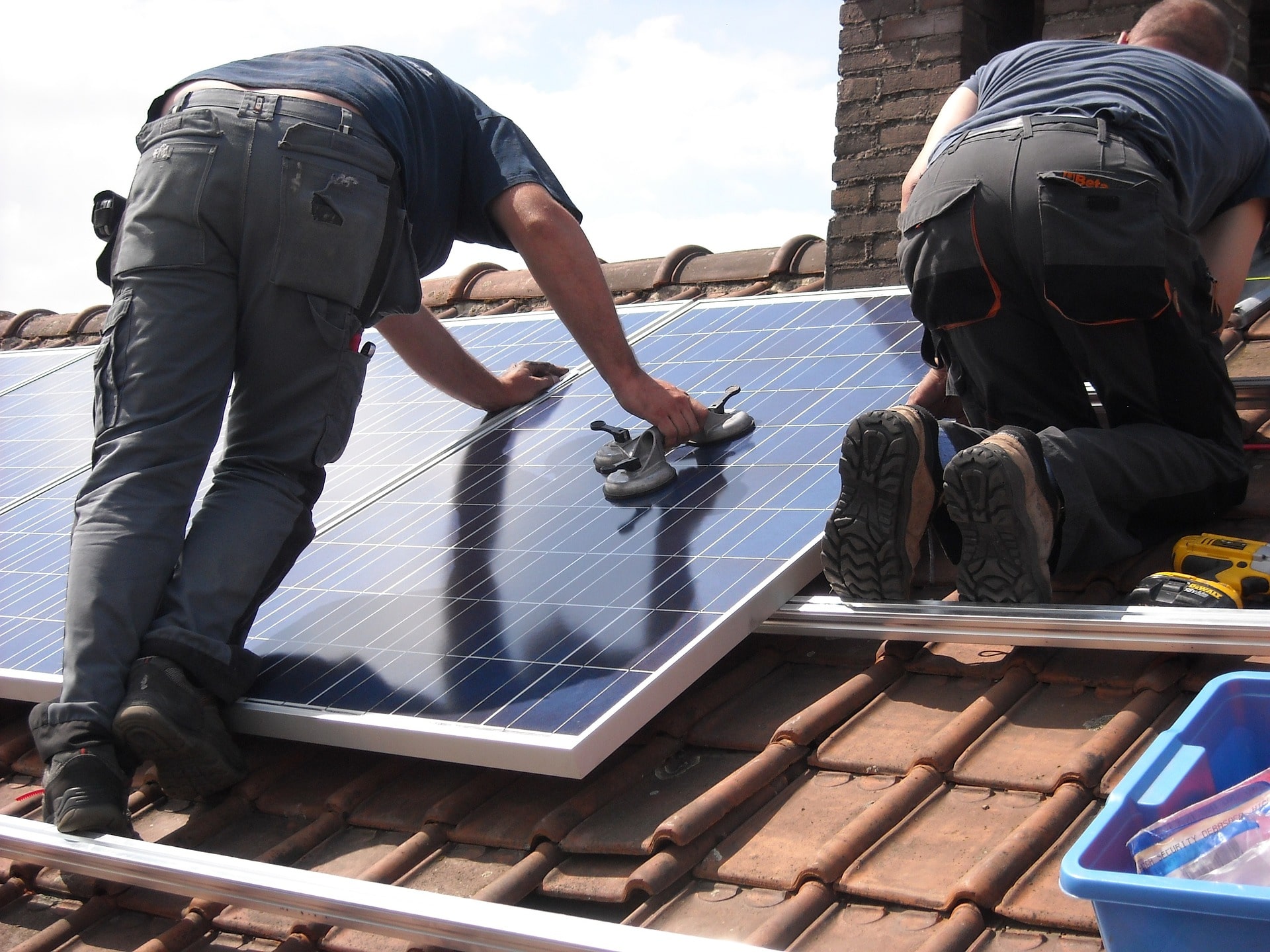
If you are choosing to implement a renewable energy system in a current home, start with conducting a home energy assessment. This will help you to learn more about your home’s current energy usage and help you determine where to cut energy and costs. Read more to learn a few different approaches you can take when designing your home to be energy efficient.
Whole House System Approach
Different factors have an effect on your home’s energy efficiency requirements. If you are aiming to design your entire home to be energy-efficient, you must consider a few things. Occupant behavior, site conditions, and climate are all factors to consider. Other factors include factors such as appliances, home electronics, installation and air sealing, lighting and daylight, space heating and cooling, water heating, and windows, doors, and skylights.
Ultra-Efficient Homes
What is an ultra-efficient home? These homes consist of energy efficient construction, appliances, and lighting. They also use renewable energy systems (solar water heating and solar electricity). Designers take into consideration your home’s local climate and location. They can then incorporate different solar heating and cooling landscaping strategies that are energy-efficient. Homeowners that choose to incorporate ultra-efficient homes aim to reduce their energy as cost-effectively as possible with on-site renewable energy systems.
Thermal Mass Materials
If you want your home to be energy-efficient, high thermal mass materials should be used within the walls and slab foundations. This allows the material to absorb and store heat energy. They can help to stabilize the temperature of your home, keeping it cool in the summer and warm in the winter. Some examples of materials with high thermal mass include water, stone, brick, and concrete. Avoid materials such as steel, wood, and carpeting if you are wanting an energy-efficient home.
Home and Room Locations
In order to take advantage of the sun’s energy, you must select the right orientation for your home. If you live in the Northern Hemisphere, your home should be oriented north-south. This allows you to minimize direct sunlight during the warm months and maximize sunlight during the cool months. To learn which direction rooms in your home should face, check out this article HERE.
International Energy Conservation Consultants Can Help
If you are looking for energy system design, energy modeling, HVAC ACCA Manual J, S, and D loads, equipment selection, integrated ventilation and duct designs, and building performance diagnostic services using a variety of platforms, the experts at International Energy Conservation Consultants can help. Contact us today and we will be happy to answer any questions that you have or provide you with further information on making your home more energy efficient.

